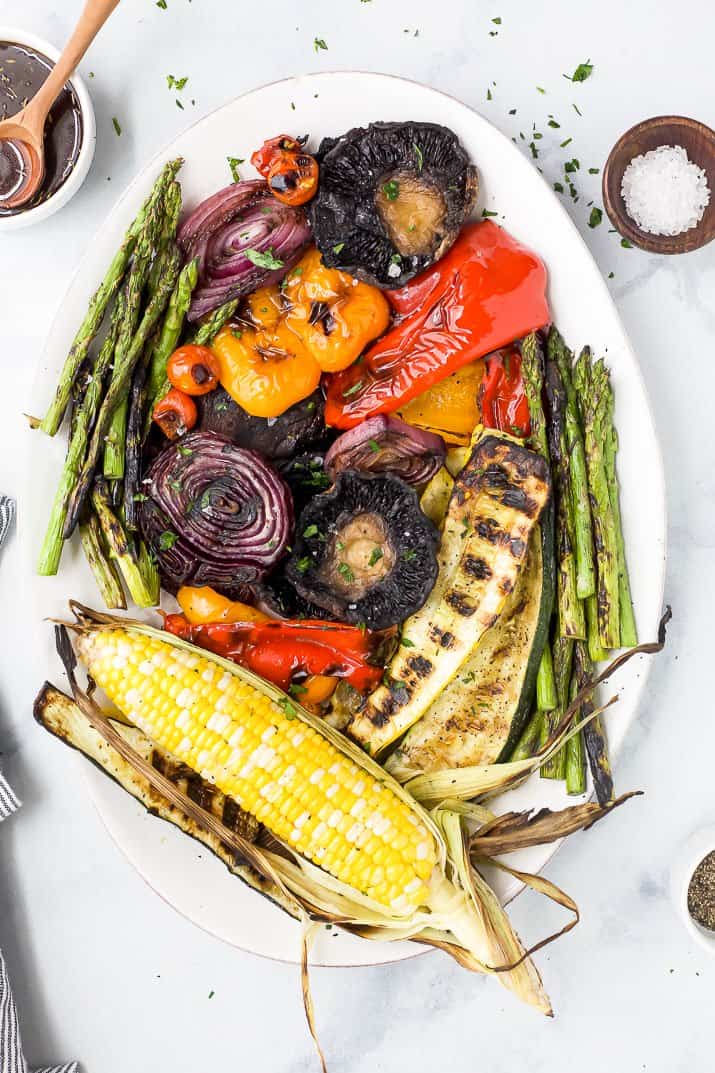
Transforming ordinary produce into an extraordinary culinary experience is an art form, and when it comes to summer cooking, nothing quite rivals the magic of expertly grilled vegetables. The kiss of open flame bestows upon them a unique alchemy: a smoky depth, a tender interior, and those irresistibly sweet, charred edges that redefine "side dish." Forget bland, boiled greens; mastering grilled vegetables unlocks a world of vibrant flavors and textures that can elevate any meal, from a casual weeknight dinner to a backyard feast.
This comprehensive guide will walk you through the essential tips and tricks to achieve perfect flavor every time. We'll cover everything from selecting the freshest produce and precise cutting techniques to crafting versatile marinades and finessing your grilling skills. Get ready to turn humble veggies into the undisputed stars of your plate.
The Art of Selecting and Prepping Your Produce
The journey to perfect grilled vegetables begins long before they hit the grates. It starts with thoughtful selection and precise preparation. High-quality, fresh produce is paramount, as grilling intensifies its natural sweetness and essence. Look for vegetables that are firm, vibrant in color, and free of any soft spots or blemishes. Farmers markets or specialty grocers are often excellent sources for peak-season finds.
Choosing Your Cast of Characters
- Zucchini & Yellow Squash: Opt for firm, dark-green zucchini and bright yellow squash. Their mild flavor and quick cooking time make them grilling favorites. Cut them on the diagonal into thick planks (about ½ inch) for maximum surface area and to prevent them from becoming too flimsy.
- Bell Peppers: Red, yellow, and orange bell peppers offer a beautiful visual and a sweet, smoky taste when grilled. Choose glossy, heavy peppers. Cut them top to bottom into large quarters or thirds, removing the seeds and membranes.
- Onions: Sweet varieties like Vidalia or Walla Walla are excellent choices. Leave the root end intact to hold the layers together, then cut them into thick wedges (¾ to 1 inch).
- Mushrooms: Button or cremini mushrooms can be grilled whole. Larger portobello caps are fantastic grilled stem-side down first. Their earthy flavor takes beautifully to the smoke.
- Asparagus: Look for firm, bright green spears. To prepare, simply hold each spear near the woody end and bend; it will naturally snap where the tough part begins.
- Tomatoes: Smaller tomatoes, like cherry or grape tomatoes, grill wonderfully whole. Larger varieties can be halved. Be mindful that they become quite juicy and tender quickly.
- Eggplant: Similar to zucchini, cut eggplant into thick rounds or planks. Salting and resting them for a bit before grilling can draw out excess moisture, preventing them from becoming soggy.
- Potatoes & Carrots: Harder root vegetables like baby red potatoes or carrots benefit from being parboiled for about 5-7 minutes until slightly tender before grilling. This ensures they cook through evenly without burning on the outside. Cut potatoes into halves or quarters, and carrots into thick sticks.
Cutting for Success
The golden rule for cutting vegetables for the grill is simple: make them large enough so they won't slip through the grates. If you prefer smaller, bite-sized pieces for salads or grain bowls, you can always chop them after grilling. Larger pieces also cook more evenly and retain more moisture, resulting in a more satisfying texture.
Crafting the Perfect Marinade & Seasoning Blends
While the grill provides incredible flavor on its own, a well-crafted marinade or seasoning blend is your secret weapon for truly master-level grilled vegetables. It not only infuses them with delicious taste but also helps prevent sticking and contributes to that desirable char.
The Essential Marinade Foundation
A basic yet incredibly effective marinade for grilled vegetables typically includes:
- Good Quality Oil: Extra virgin olive oil is preferred. It coats the vegetables, helps the seasonings adhere, and prevents them from drying out or sticking to the grill.
- Salt: Don't be shy! Salt is a flavor enhancer, bringing out the natural sweetness of the vegetables. Season generously.
- Pepper: Freshly ground black pepper adds a pleasant warmth and bite.
- Garlic: Freshly minced garlic is a game-changer, lending an aromatic depth.
- Lemon: A squeeze of fresh lemon juice or a sprinkle of zest brightens the flavors and adds a tangy counterpoint.
- A Touch of Butter: While optional, a small amount of melted butter (mixed into the oil) can contribute a lovely richness and help achieve a beautiful char.
Combine your chosen vegetables with the marinade ingredients in a large bowl or a zippered bag. Toss well to ensure every piece is evenly coated. Let them sit for at least 15-30 minutes at room temperature, or up to an hour in the refrigerator for deeper flavor infusion. Remember to shake off any excess marinade just before grilling to prevent drips onto the coals, which can cause flare-ups.
Elevating with Flavor Variations
The beauty of grilled vegetables lies in their versatility. Match your seasonings to your meal's theme!
- Classic Herby: Add dried oregano, thyme, and rosemary to your basic marinade. Fresh herbs like chopped parsley or dill can be added after grilling.
- Mediterranean Flair: Infuse your marinade with smoked paprika, dried oregano, and a splash of balsamic vinegar. Serve with crumbled feta cheese or goat cheese after grilling for a tangy finish. (If you're out of balsamic, a teaspoon of honey with apple cider vinegar offers a similar sweet-tangy profile).
- Tex-Mex Kick: Introduce chili powder, cumin, and a pinch of cayenne pepper (optional, but fun for heat!). A squeeze of lime juice instead of lemon works wonders here.
- Zesty Cajun: Blend in Cajun seasoning for a spicy, vibrant profile.
- Savory Italian: Use Italian seasoning, a dash of red pepper flakes, and a sprinkle of Parmesan cheese once off the grill.
For more creative ideas and unique flavor combinations, explore Creative Grilled Veggies: Seasonings & Toppings for Any Meal.
Grilling Techniques for Impeccable Results
Now that your vegetables are perfectly prepped and seasoned, it's time for the main event. Proper grilling technique ensures they are tender on the inside, beautifully charred on the outside, and packed with smoky flavor.
Mastering the Heat
Aim for a medium-high heat. If your grill is too cool, the vegetables will steam rather than char; too hot, and they'll burn before cooking through. Always ensure your grill grates are clean and lightly oiled to prevent sticking. You can do this by rubbing a paper towel soaked in a little oil over the hot grates with tongs.
The Grilling Process
- Placement: Arrange vegetables in a single layer on the hottest part of the grill, without overcrowding the grates. This allows for even cooking and charring.
- Watch Closely & Turn Frequently: Vegetables cook quickly, and some faster than others. Keep a vigilant eye on them. Turn them every 2-3 minutes to get even grill marks and ensure they cook evenly. The goal is a tender-crisp texture with appealing char marks.
- Cooking Times:
- Fast Cookers (3-5 minutes per side): Zucchini, squash, bell peppers, asparagus, mushrooms, tomatoes.
- Medium Cookers (5-8 minutes per side): Onion wedges, eggplant.
- Slower Cookers (10-15+ minutes per side, if parboiled): Potatoes, carrots.
- Dealing with Flare-Ups: If marinade drips into the coals and causes a flare-up, simply move the vegetables to a cooler part of the grill until the flames subside.
- Skewers & Grill Baskets: For smaller items like cherry tomatoes, button mushrooms, or small pieces of bell pepper, threading them onto skewers (kabob-style) is a great solution. If using wooden skewers, remember to soak them in water for at least 30 minutes beforehand to prevent them from burning. A grill basket is also excellent for keeping smaller or more delicate items contained.
For more specific guidance on quick and satisfying grilled vegetable dishes, check out Easy Weeknight Grilled Vegetables: Smoky & Charred Perfection.
Elevating Your Grilled Vegetables: Serving & Storage
Once your grilled vegetables are perfectly cooked, the possibilities are endless. They shine solo, but also act as a fantastic supporting cast member in countless dishes.
Serving Suggestions
- Simple Side Dish: Serve them as a vibrant, healthy accompaniment to any grilled protein—chicken, fish, steak, or tofu.
- Garnish & Topping: A squeeze of fresh lemon, a drizzle of your best extra virgin olive oil, a sprinkle of fresh herbs (parsley, basil, mint), or a touch of flaky sea salt can instantly brighten and elevate their flavor.
- Cheesy Finish: As mentioned, a scattering of crumbled feta, goat cheese, or grated Parmesan over the hot vegetables adds a wonderful tangy or savory dimension.
- Versatile Add-ins: Chop leftover grilled vegetables and add them to salads, pasta dishes, grain bowls, sandwiches, wraps, or even omelets for an instant flavor boost.
Storing Leftover Veggies
One of the best things about grilled vegetables is how well they keep, often tasting even better the next day as the flavors meld. Store any leftovers in an airtight container or a zippered bag in the refrigerator for up to 4 days.
To reheat, you have several options:
- Microwave: Quick and easy, though they may lose some crispness.
- Stovetop: Sauté them gently in a pan with a touch of olive oil until warmed through.
- Broiler: Spread them on a baking sheet and pop them under a hot broiler for a few minutes to crisp them up again.
To refresh the flavors, add a pinch of sea salt, a fresh squeeze of lemon, or a dash of your favorite vinegar before serving. For longer storage, freeze grilled vegetables in a zippered bag for up to one month. Thaw them in the refrigerator overnight before reheating.
Conclusion
Mastering grilled vegetables is a rewarding culinary skill that pays dividends in flavor, versatility, and sheer enjoyment. By paying attention to selection, preparation, seasoning, and grilling techniques, you can transform simple produce into a show-stopping dish that perfectly embodies the spirit of summer. Don't be afraid to experiment with different combinations of vegetables, marinades, and toppings to discover your personal favorites. Embrace the smoke, the char, and the vibrant flavors, and make perfectly grilled vegetables a delicious staple in your kitchen all season long.
