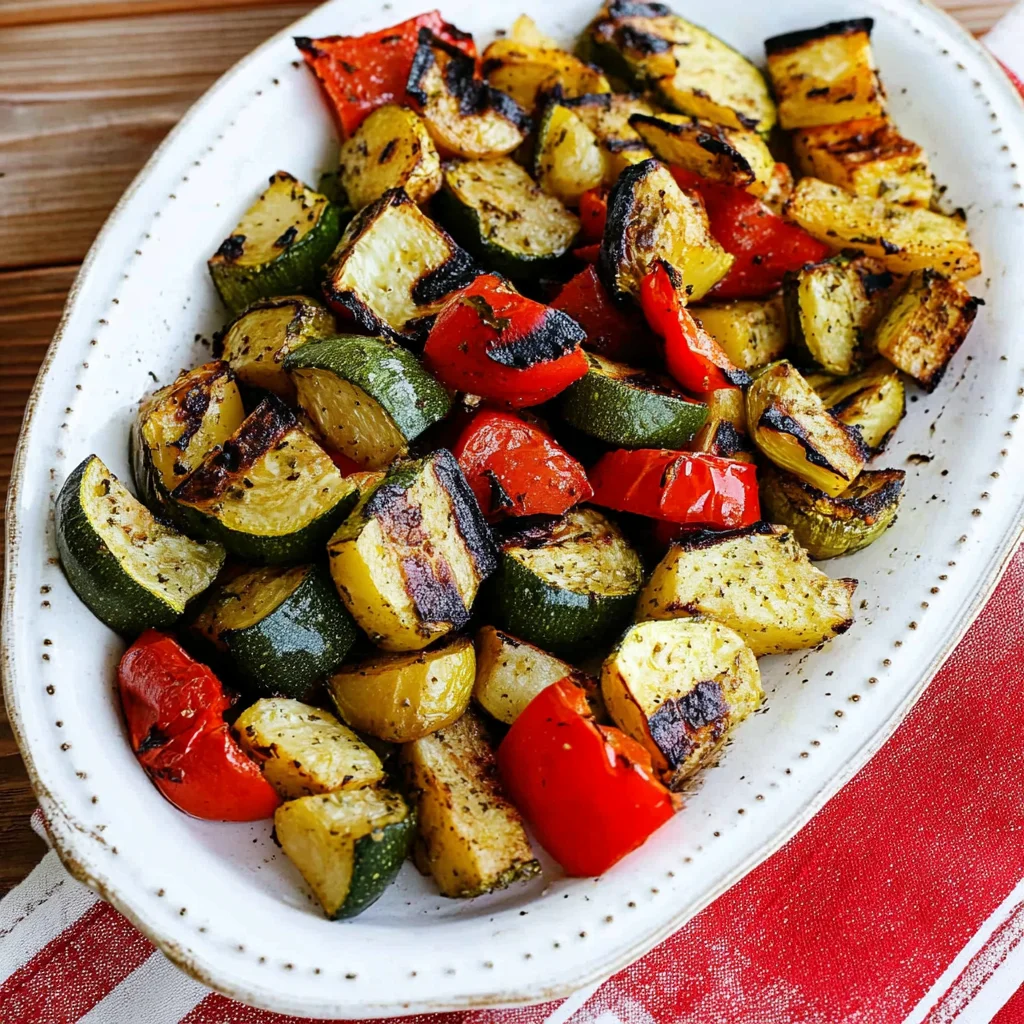
Easy Weeknight Grilled Vegetables: Smoky & Charred Perfection
Forget the myth that gourmet weeknight meals are a time-consuming fantasy. With a few simple steps and your trusty grill, you can transform humble produce into a show-stopping side dish or even the main event. We're talking about
grilled vegetables – achieving that irresistible smoky flavor and delicate char that makes your taste buds sing. Perfect for busy evenings, this guide will unlock the secrets to preparing vibrant, tender-crisp vegetables that are dangerously addictive and effortlessly elegant.
Why Grilled Vegetables are Your Weeknight Hero
Grilled vegetables aren't just a healthy option; they're a culinary revelation. The high heat of the grill coaxes out the natural sugars in vegetables, leading to a caramelized sweetness that's simply divine. Add to that the distinctive smoky aroma imparted by the flames, and you get a complex flavor profile that elevates even the simplest meal.
Here’s why they should be in your regular weeknight rotation:
*
Unrivaled Flavor: The combination of smoke, char, and caramelized sweetness creates a depth of flavor unmatched by other cooking methods. Lightly charred edges provide a textural contrast that’s utterly satisfying.
*
Incredible Versatility: Grilled veggies pair with virtually any protein – chicken, fish, steak, tofu, or even eggs. They can also shine as a standalone vegetarian meal, a vibrant salad topping, or a flavorful sandwich filler.
*
Speed and Simplicity: Most vegetables cook quickly on the grill, making them an ideal choice when time is short. With minimal prep, you can have a delicious, healthy dish ready in under 30 minutes.
*
Nutrient Powerhouse: Grilling preserves many of the vitamins and minerals in vegetables, making this a delicious way to boost your daily nutrient intake without sacrificing flavor.
Selecting and Preparing Your Produce for Peak Flavor
The foundation of truly exceptional grilled vegetables lies in choosing fresh, high-quality produce and preparing it correctly. Look for firm, unblemished vegetables that feel heavy for their size – these are indicators of freshness and moisture content, crucial for grilling success.
Here's how to select and cut some of our favorite grilling contenders:
*
Zucchini & Yellow Squash: Opt for firm, dark-green zucchini and bright yellow squash without soft spots. Cut them diagonally into thick, 1/2-inch slices. The diagonal cut creates more surface area for those coveted grill marks and ensures even cooking.
*
Bell Peppers: Choose glossy, heavy red, yellow, or orange bell peppers. Avoid green peppers for grilling as they can be a bit more bitter. Cut them top to bottom into large quarters or thirds. Their natural curvature often helps them sit well on the grates.
*
Onions: A sweet Vidalia or red onion works wonderfully. Leave the root end intact to help hold the onion wedges together, then cut it into 1/2 to 3/4-inch thick wedges.
*
Asparagus: Select bright green, firm spears. To remove the woody bottom, simply bend each spear until it naturally snaps – it will break at the point where the tough part meets the tender part.
*
Mushrooms: Smaller button or cremini mushrooms can be grilled whole. For larger portobello caps, you might want to score the underside or grill them whole for a "steak-like" experience.
*
Tomatoes: Grill smaller tomatoes like cherry or grape tomatoes whole (they're fantastic threaded onto skewers). Larger tomatoes can be cut in half or thick slices.
*
Eggplant: Cut into 1/2-inch thick rounds or large chunks. For a less bitter taste and to prevent sogginess, some chefs recommend salting eggplant slices and letting them drain for 30 minutes before patting dry.
*
Baby Potatoes & Carrots: These root vegetables benefit from a quick parboil (boiling for 5-7 minutes until slightly tender) before grilling. This ensures they cook through evenly without burning on the outside.
Crafting the Perfect Marinade & Seasoning Blend
A simple yet effective marinade is key to enhancing flavor and ensuring your vegetables don't stick to the grill. Our go-to blend is light, herby, and universally appealing, acting as a canvas for the grill's magic.
The Essential Marinade Base:
*
Olive Oil: The hero here, extra-virgin olive oil helps seasonings adhere to the vegetables, prevents sticking to the grill grates, and aids in heat transfer for that beautiful char. It's your non-stick armor and flavor conduit.
*
A Touch of Butter: A small amount of melted butter (or a plant-based alternative) adds a creamy richness and promotes an even deeper, more golden char.
*
Fresh Garlic: Minced garlic cloves infuse the vegetables with an aromatic depth that’s simply irresistible.
*
Lemon Juice: A squeeze of fresh lemon juice brightens the flavors and adds a zesty tang, cutting through the richness.
*
Generous Salt & Freshly Ground Black Pepper: Don't be shy with the salt; it's a flavor amplifier. Pepper adds a subtle warmth.
Elevating Your Flavors – Creative Variations:
While the basic marinade is fantastic, you can easily adapt the seasonings to match any menu or mood.
*
Mediterranean Magic: A splash of balsamic vinegar (or apple cider vinegar with a teaspoon of honey for a sweet tang) along with dried oregano and basil. Finish with crumbled feta or goat cheese after grilling.
*
Spicy Kick: Add a pinch of cayenne pepper or smoked paprika to the marinade for a warm, smoky heat.
*
Herby Italian: Incorporate fresh or dried rosemary, thyme, and marjoram.
*
Zesty Cajun or Tex-Mex: Blend in your favorite Cajun or taco seasoning mix for an instant flavor transformation.
For more inspired seasoning ideas and topping transformations, explore our guide on
Creative Veggies: Seasonings & Toppings for Any Meal. Remember, dried herbs are more potent than fresh, so use about one-third the amount.
Grilling Mastery: Tips for Smoky & Tender Perfection
Grilling vegetables is quick, but a few simple techniques can ensure perfect results every time – tender on the inside, beautifully charred on the outside, and bursting with smoky flavor.
1.
Preheat Your Grill: Always start with a clean, preheated grill. Medium-high heat (around 400-450°F or 200-230°C) is ideal for vegetables, allowing them to cook quickly and develop good grill marks without becoming mushy.
2.
Shake Off Excess Marinade: Before placing vegetables on the grill, give them a good shake to remove any extra marinade. This prevents drips into the coals, which can cause flare-ups and impart a burnt taste.
3.
Don't Overcrowd the Grill: Arrange vegetables in a single layer, leaving a little space between each piece. This ensures even cooking and promotes good air circulation, leading to better charring.
4.
Keep an Eye on Them & Turn Frequently: Vegetables cook fast, and some faster than others. Keep a close watch and turn them every few minutes to ensure even cooking and beautiful grill marks on all sides. Thinner vegetables like asparagus might only need 2-4 minutes total, while denser items like bell peppers or zucchini could take 5-8 minutes.
5.
Consider Skewers for Smaller Veggies: Cherry tomatoes, button mushrooms, or small onion pieces are perfect for threading onto skewers. If using wooden skewers, remember to soak them in water for at least 30 minutes beforehand to prevent them from burning on the grill.
6.
Achieving That Perfect Char: Look for tender-crisp vegetables with visible grill marks and slightly softened centers. A beautiful char doesn't mean burned; it means locked-in flavor.
For a deeper dive into mastering your grill, don't miss our comprehensive article:
Master Grilled Vegetables: Essential Tips for Perfect Flavor.
Beyond the Grill: Serving & Storing Your Veggie Harvest
Once your grilled vegetables have achieved their smoky, charred perfection, the possibilities are endless.
Serving Suggestions:
*
Standalone Side: A vibrant and healthy accompaniment to any main course.
*
Salad Topper: Add to fresh greens for a burst of flavor and texture.
*
Sandwich Filler: Delicious layered in sandwiches, wraps, or pitas.
*
Grain Bowls: Combine with quinoa, farro, or rice for a nutritious and satisfying meal.
*
Finishing Touches: A final flourish can elevate your grilled veggies even further. A sprinkle of fresh herbs like parsley or cilantro, a squeeze of fresh lemon, or a drizzle of good quality balsamic glaze adds brightness. For a tangy, creamy contrast, crumble some feta, goat cheese, or shave a little Parmesan over the hot vegetables. A tiny pinch of sea salt just before serving can "awaken" the flavors.
Storing Leftover Veggies:
Grilled vegetables are fantastic as leftovers and often taste even better the next day as the flavors meld.
*
Refrigerator: Store cooled grilled vegetables in an airtight container or a zippered bag in the refrigerator for up to 4 days.
*
Freezer: For longer storage, freeze them in a single layer on a baking sheet, then transfer to a freezer-safe bag or container for up to one month.
*
Reheating: Reheat gently in the microwave, on the stovetop over medium heat, or under the broiler until warmed through. A fresh pinch of sea salt can help refresh their flavors.
Embrace the simplicity and incredible flavor of easy weeknight grilled vegetables. With minimal effort, you can turn ordinary produce into an extraordinary culinary experience, bringing smoky, charred perfection to your table any day of the week.